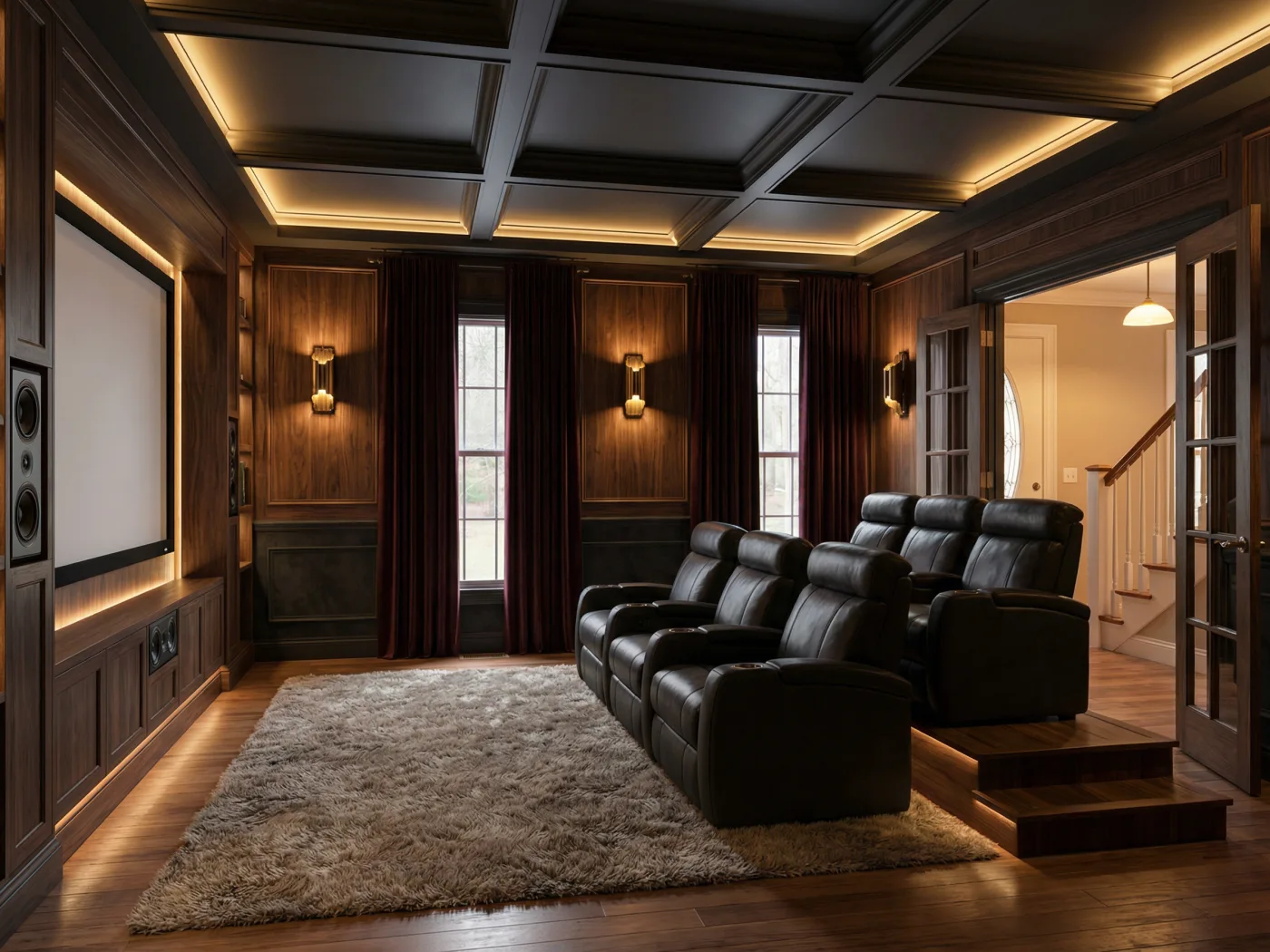
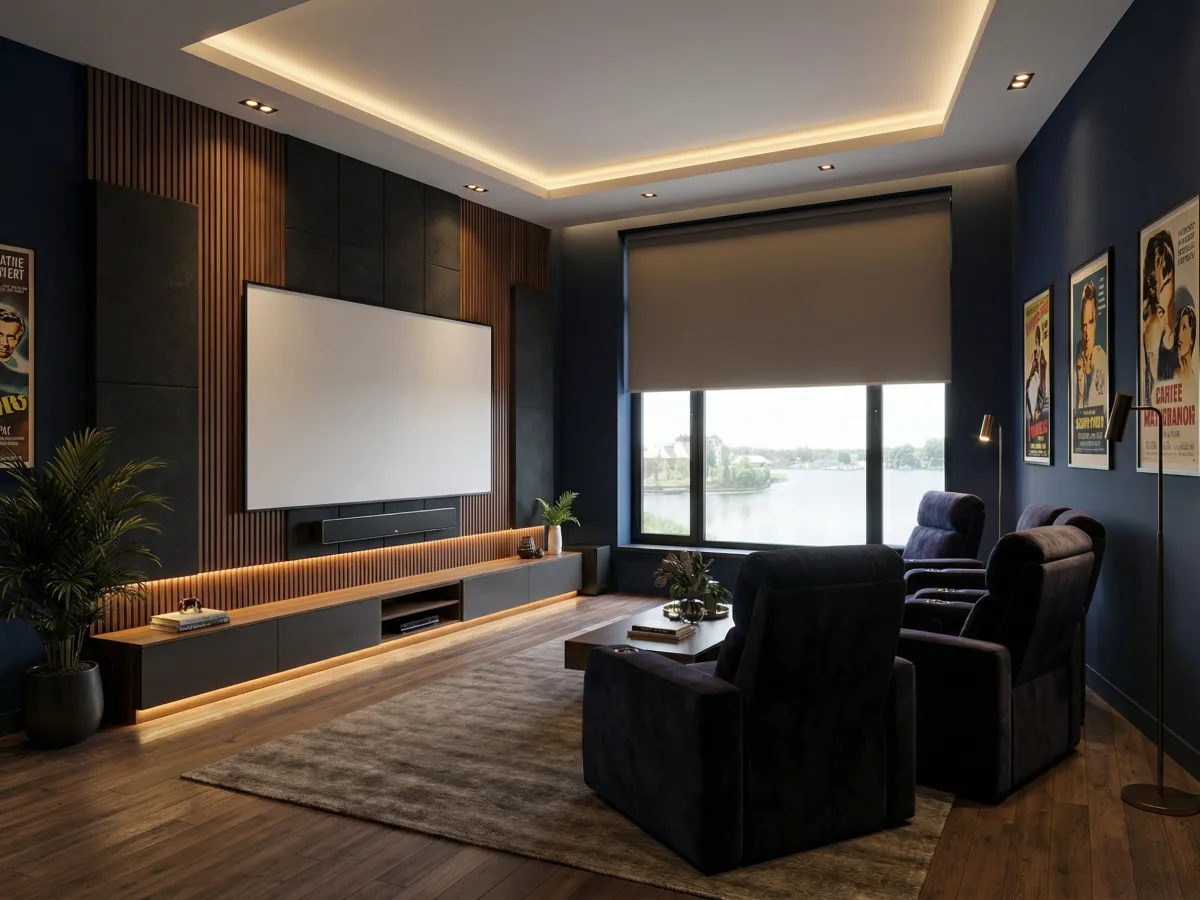
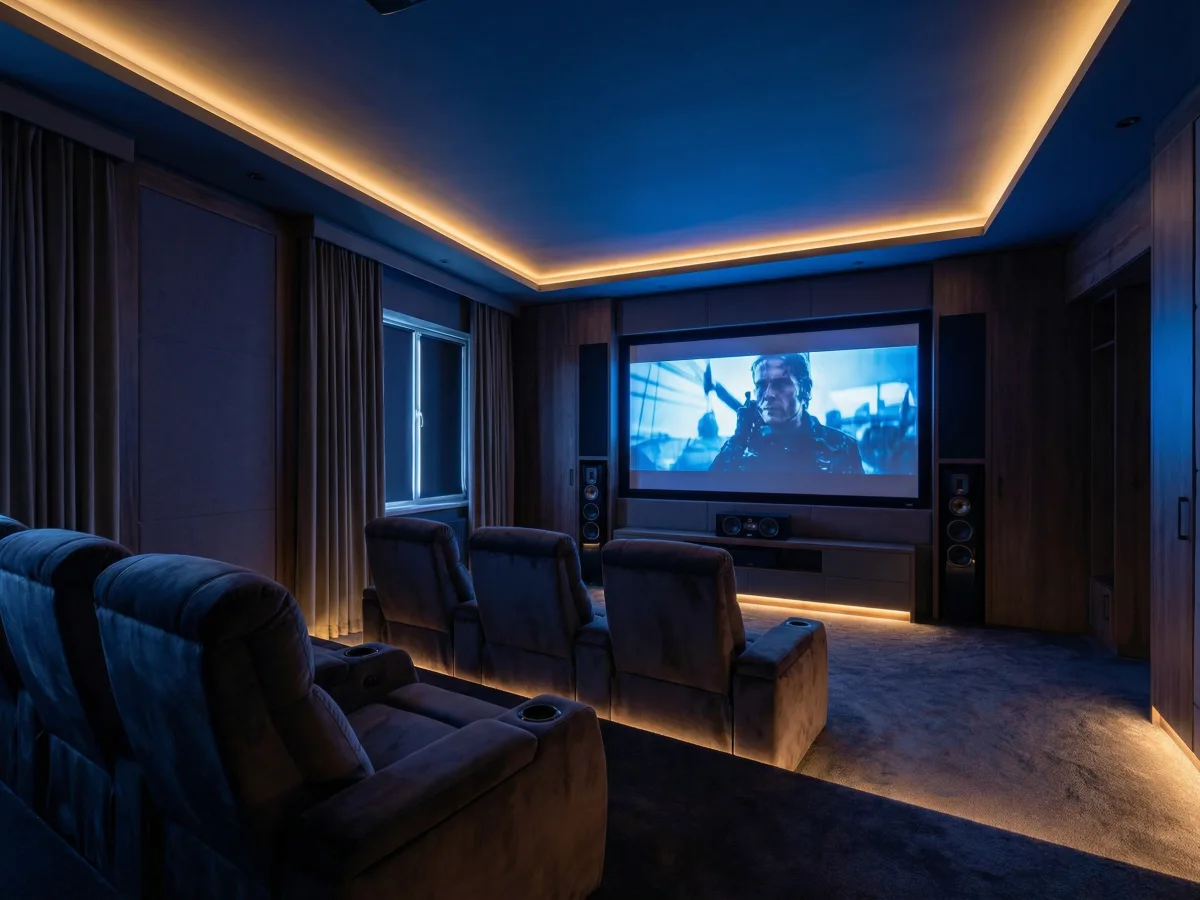
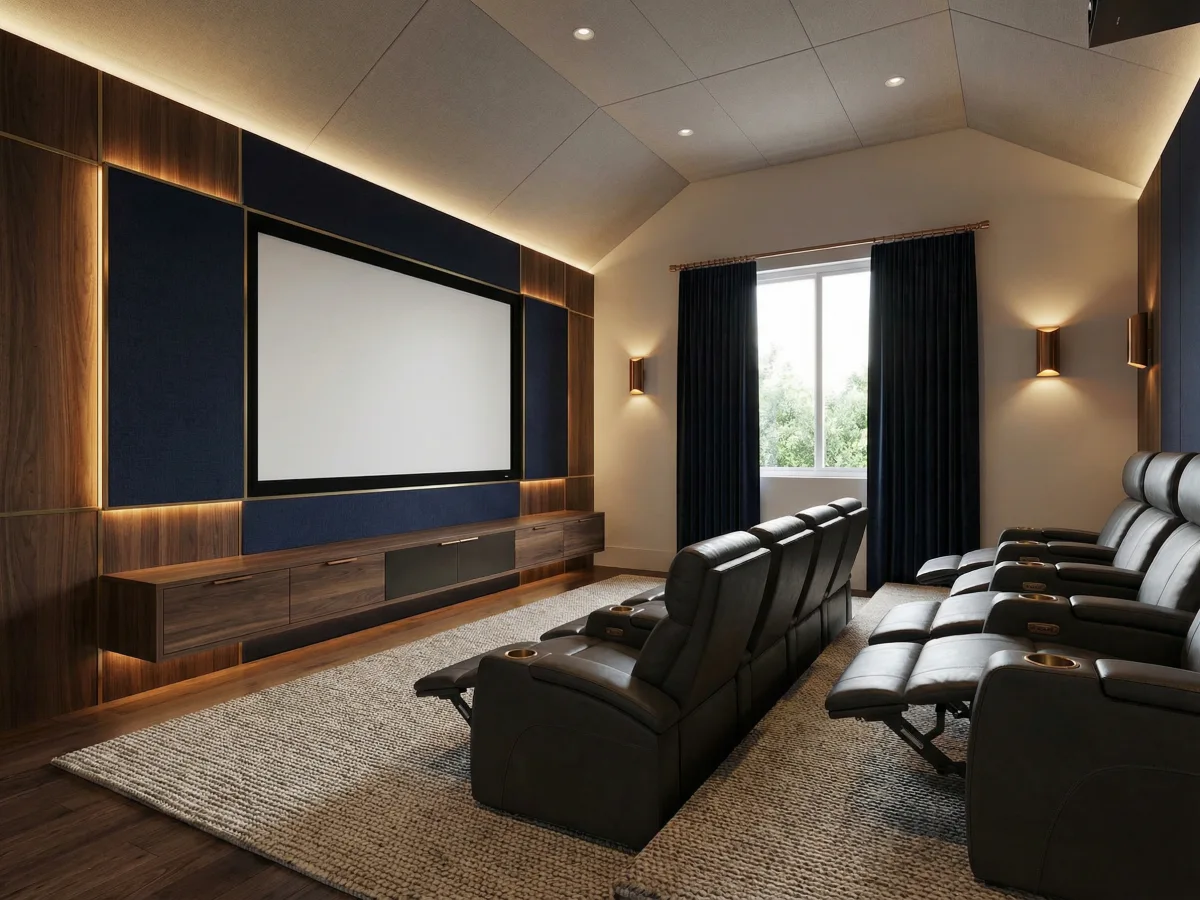
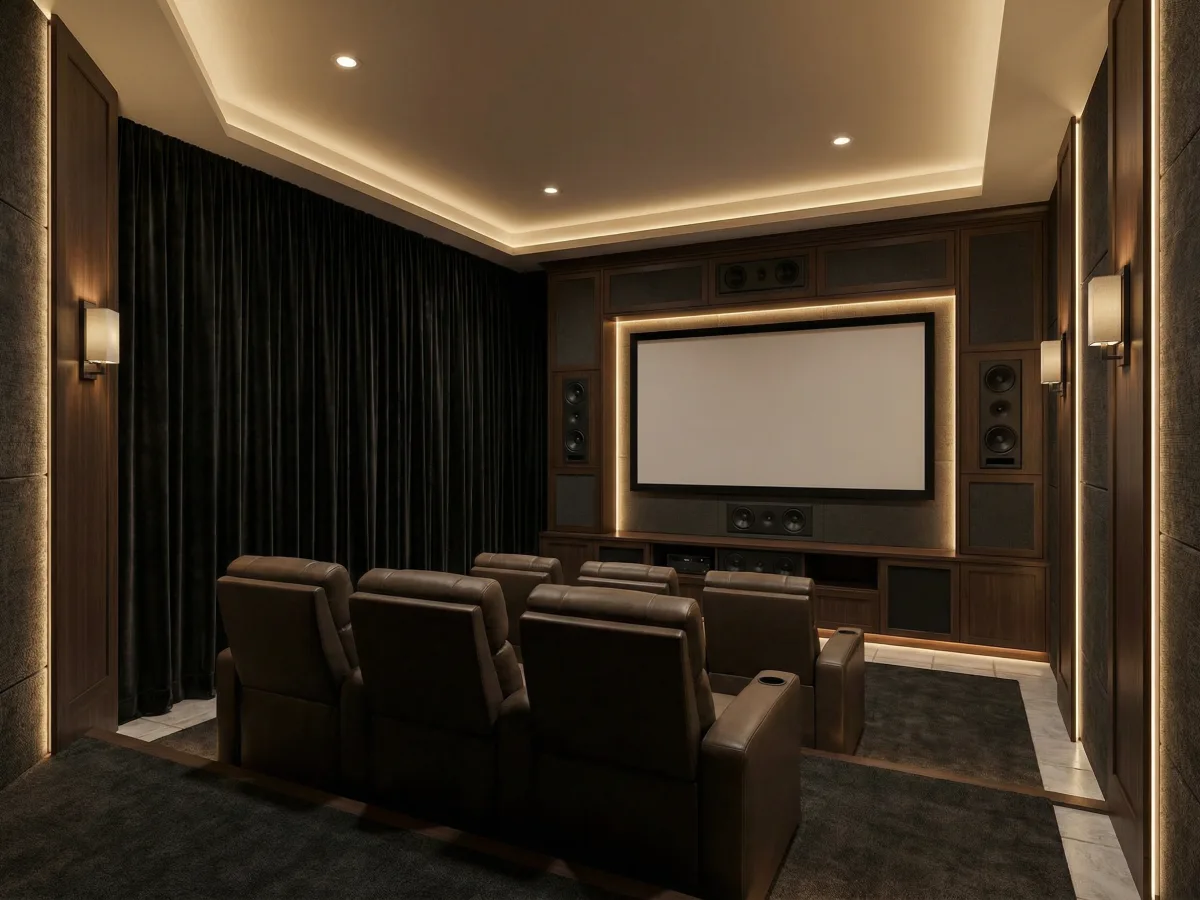
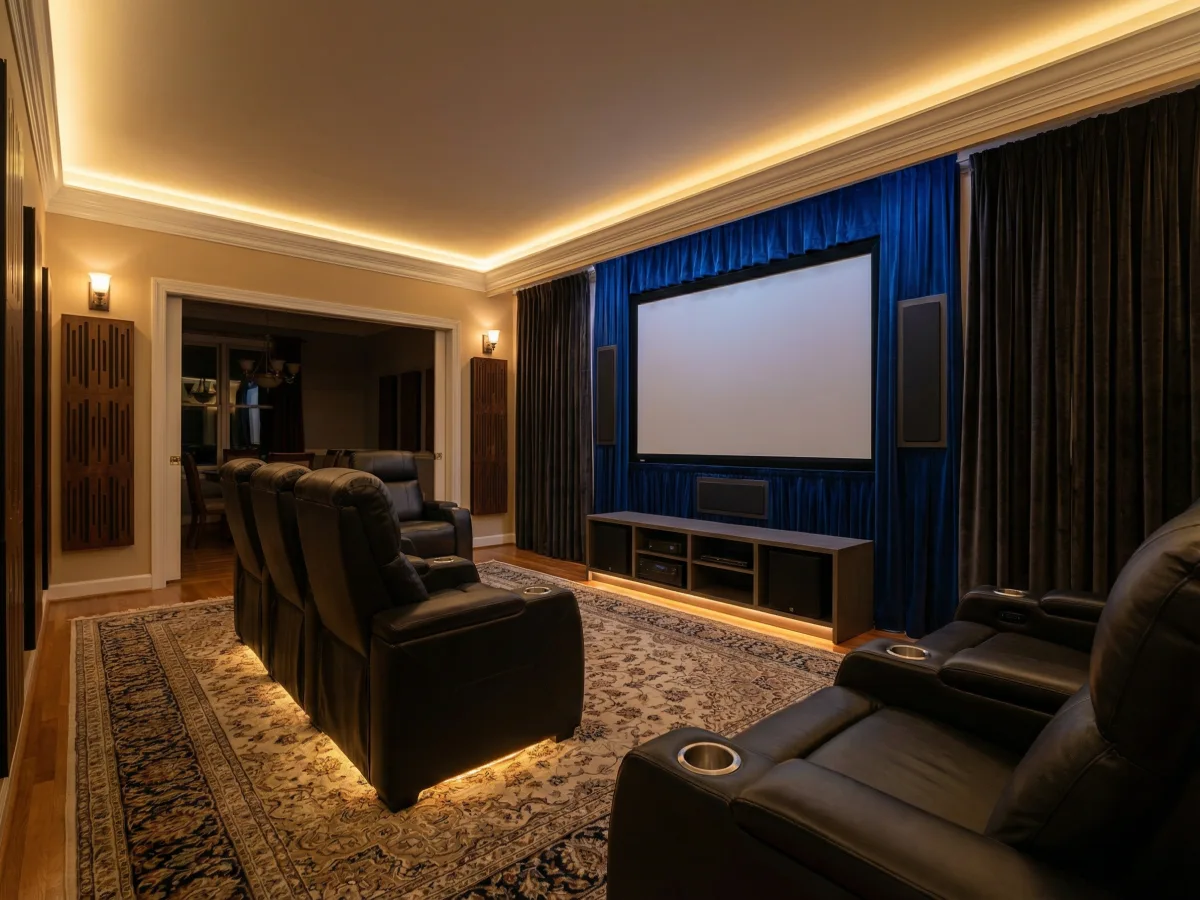
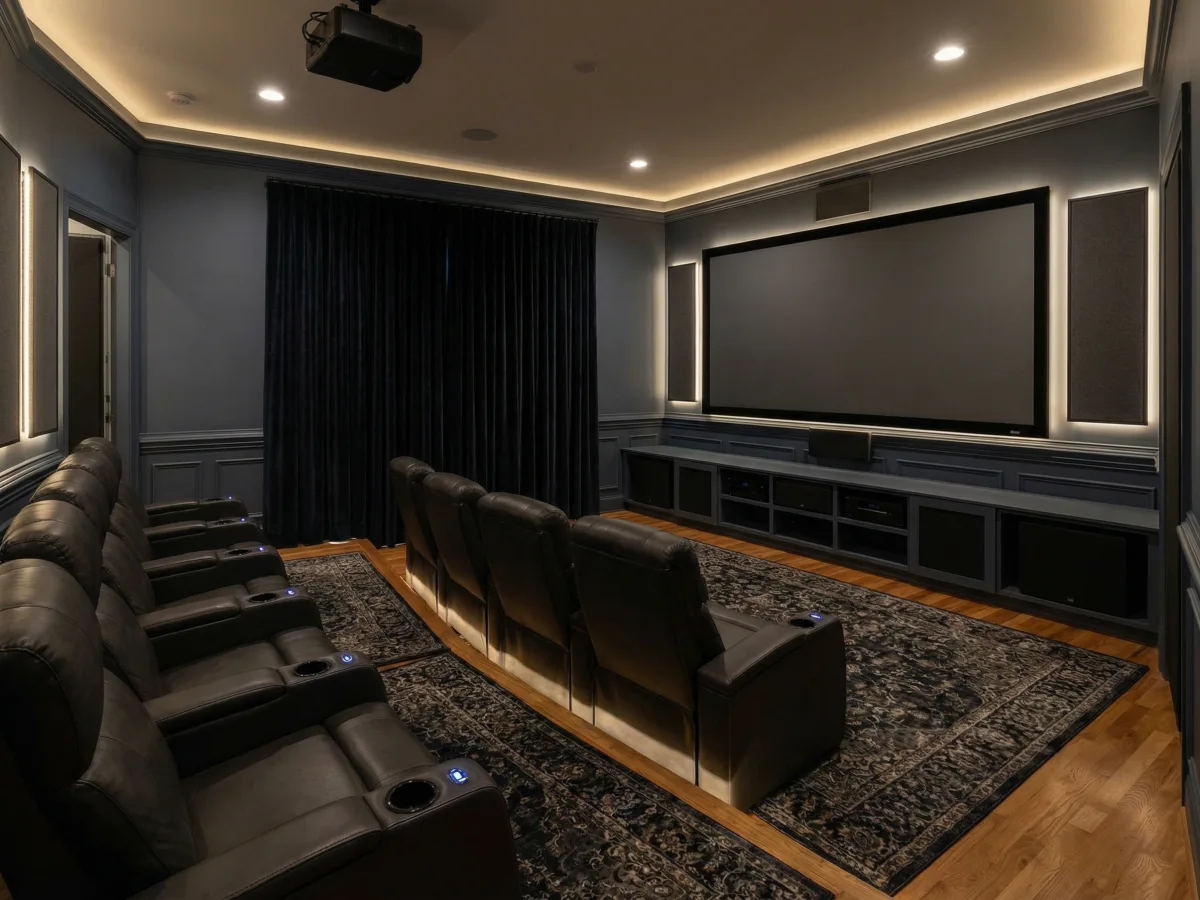
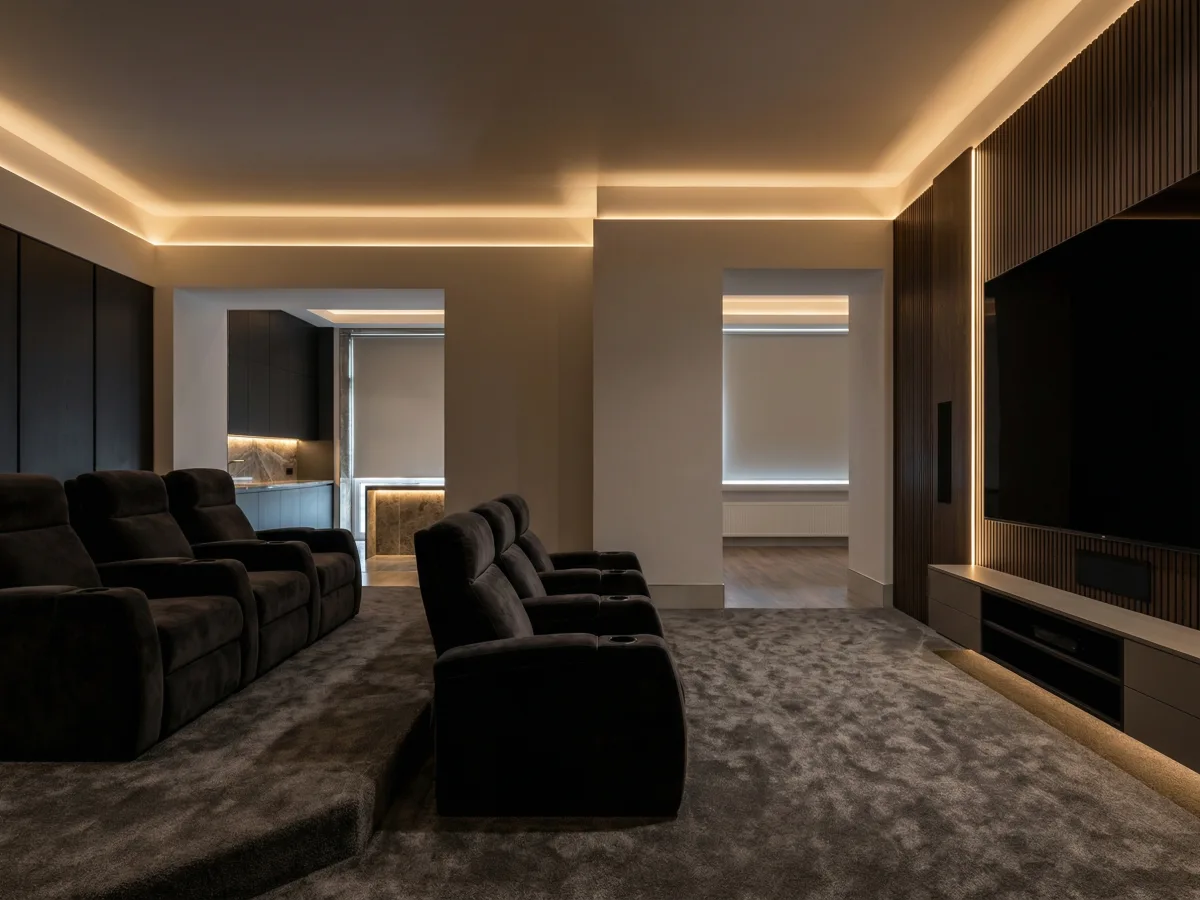
Upload a basement, bonus room, or media lounge and explore cinematic seating, screen walls, mood lighting, millwork, and acoustic-friendly room concepts in a faster visual workflow.
Built for faster concepting, better seating logic, and more confident decisions around immersive lighting and room mood.
Start from search intents such as "home theater design", "home design home theater", "home movie theater design" and convert them into polished, presentation-ready concepts instead of beginning with a blank board.
Bring in an existing photo or layout so the AI can move beyond generic inspiration and make more grounded decisions around "custom home theater design", "design home theater", "home theater design ideas".
Explore multiple directions in one workflow, from "home theater room design", "design a home theater room", "home theater design tool" to cleaner or more premium options, without redrawing each concept manually.
Once you land on a strong direction, use the visuals to support conversations around "design a home theater", "home theater design plans", "luxury home theater design" with clients, family members, or contractors.
The same workflow works for basement conversions, dedicated cinema rooms, luxury lounges, and designer-led presentation work.

Turn an underused room into a cinema-ready environment by testing seating depth, screen placement, wall tone, and circulation before construction starts.
Present different screen-wall, paneling, sconce, ceiling, and seating ideas quickly so the room feels intentional before technical specification begins.


Show richer material palettes, dramatic mood lighting, and custom joinery options earlier so clients can react to a real visual direction.
Start with the existing room, choose an entertainment direction, and refine it into a theater concept that feels immersive and buildable.
Start with a photo of your home theater room or type a prompt that explains the mood, practical needs, and design direction you want to explore.
Compare ideas ranging from "home theater design ideas", "home theater room design", "luxury home theater design" so you can review more than one design path before making a decision.
Select the strongest concept, refine the details, and use it as a clearer starting point for presentations, approvals, budgeting, or installation work.

A strong theater workflow should clarify seating, lighting, screen-wall hierarchy, and room mood long before finish selections are finalized.
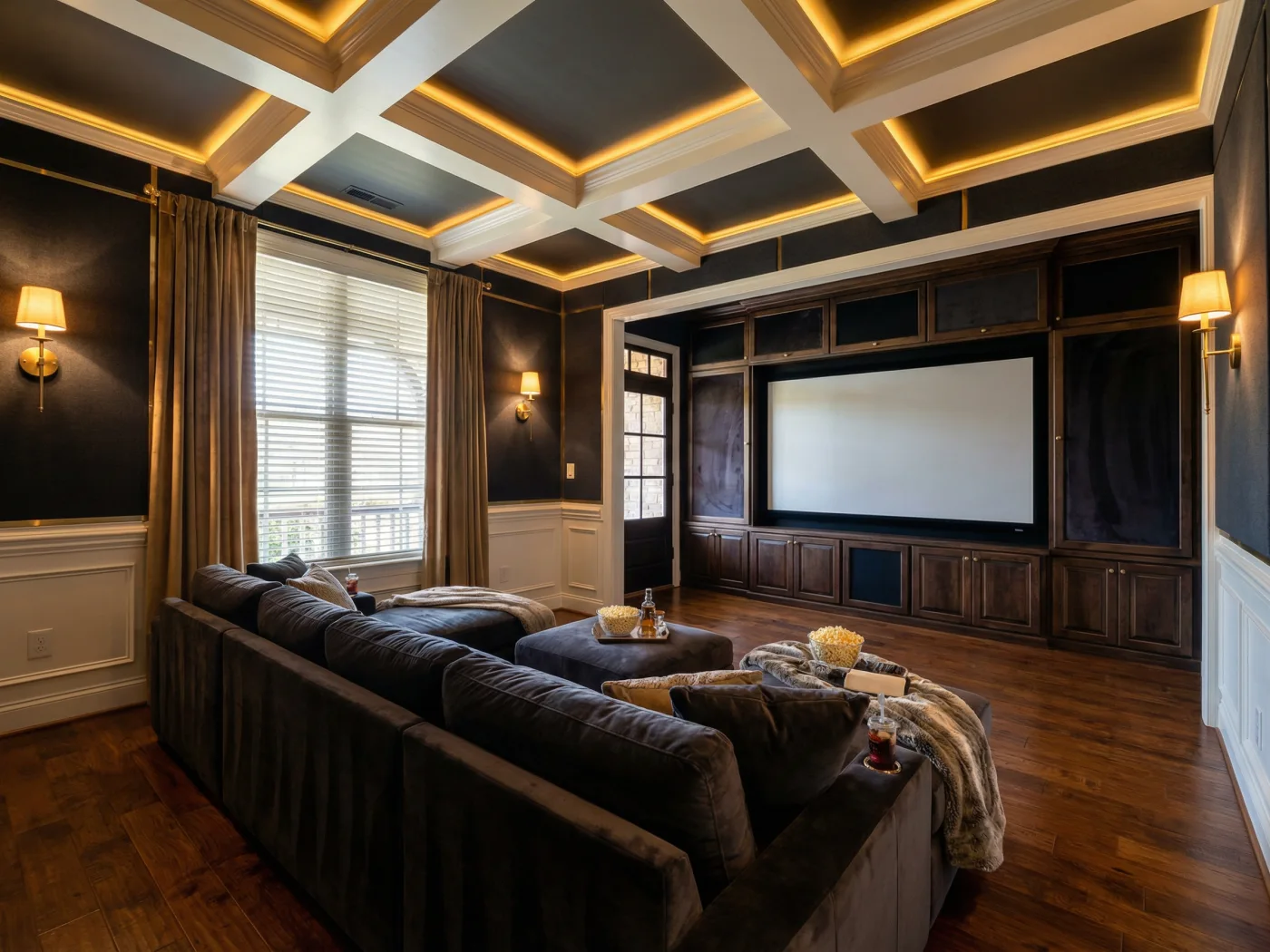
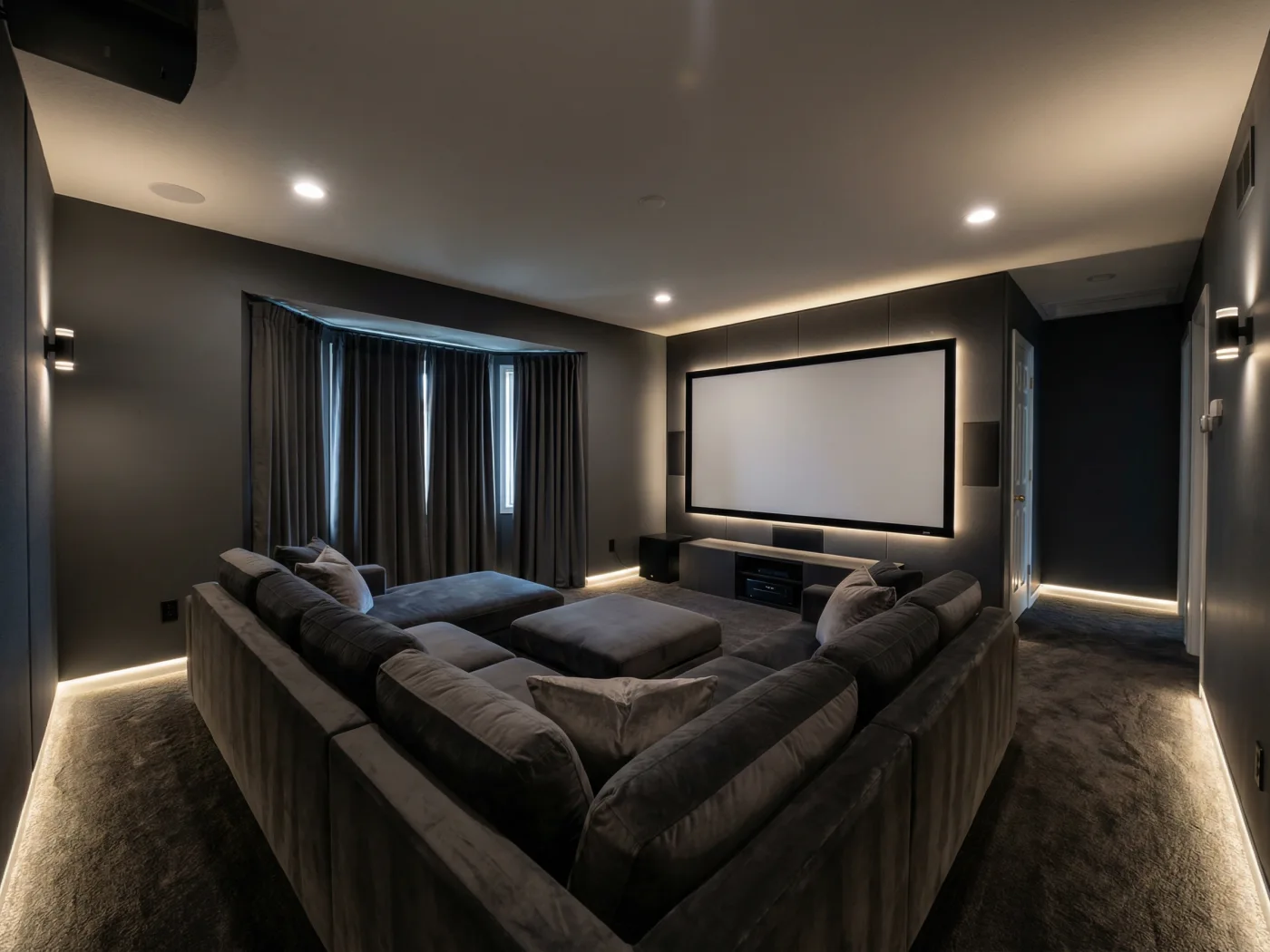
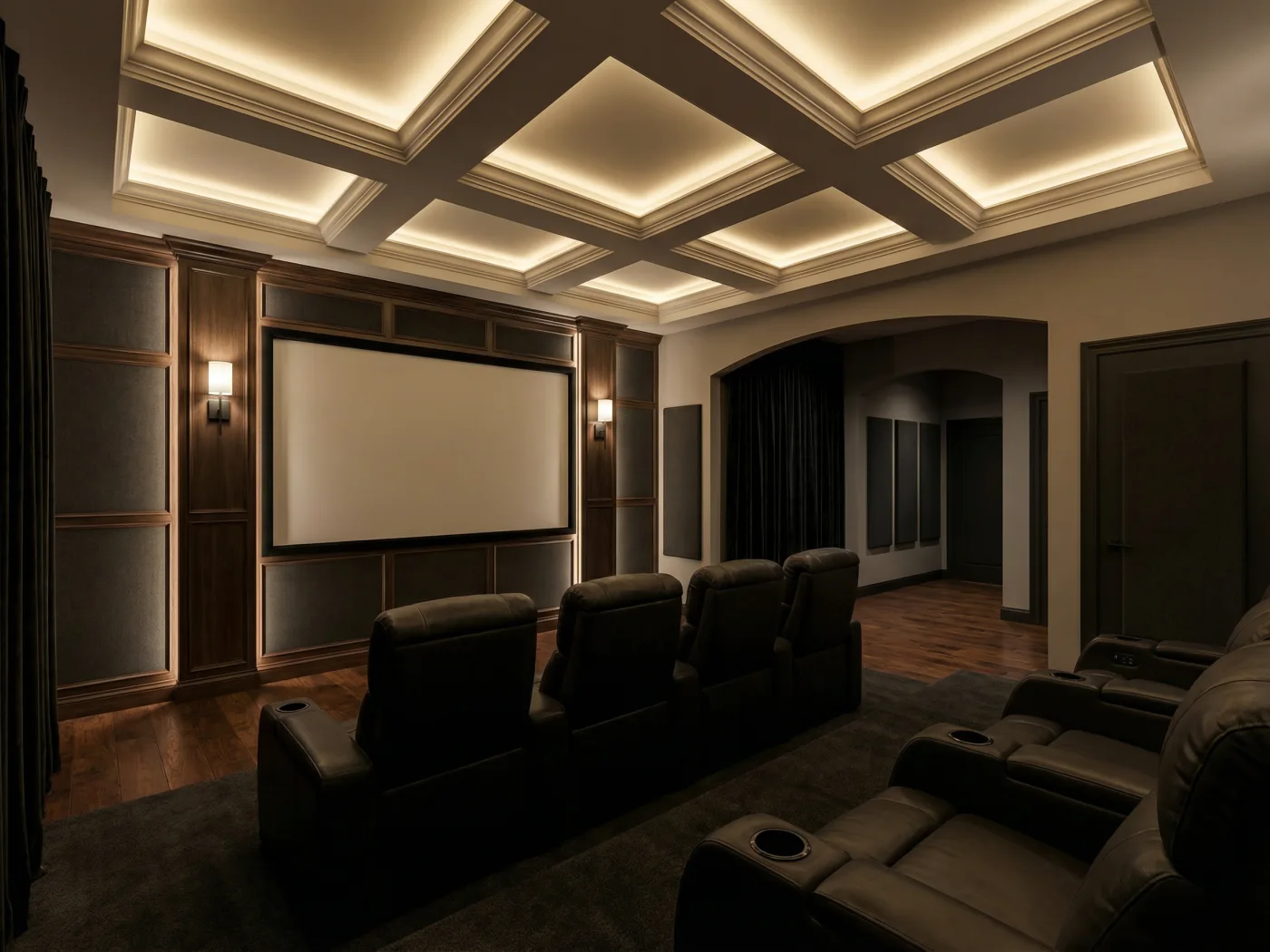
These gallery concepts reflect the most common cinematic room directions users want to compare before installation or renovation.


"We turned a generic basement into a clear theater concept before we spent money on finishes or equipment. That changed the whole project."
"Clients understand the room immediately when they can see multiple media-room directions with lighting and seating mood already expressed."
"It gave our AV team a much better visual reference for screen wall and seating priorities before we got into technical specification."
Answers focused on media rooms, cinematic atmosphere, and presentation-ready home theater planning.